Inquire Now

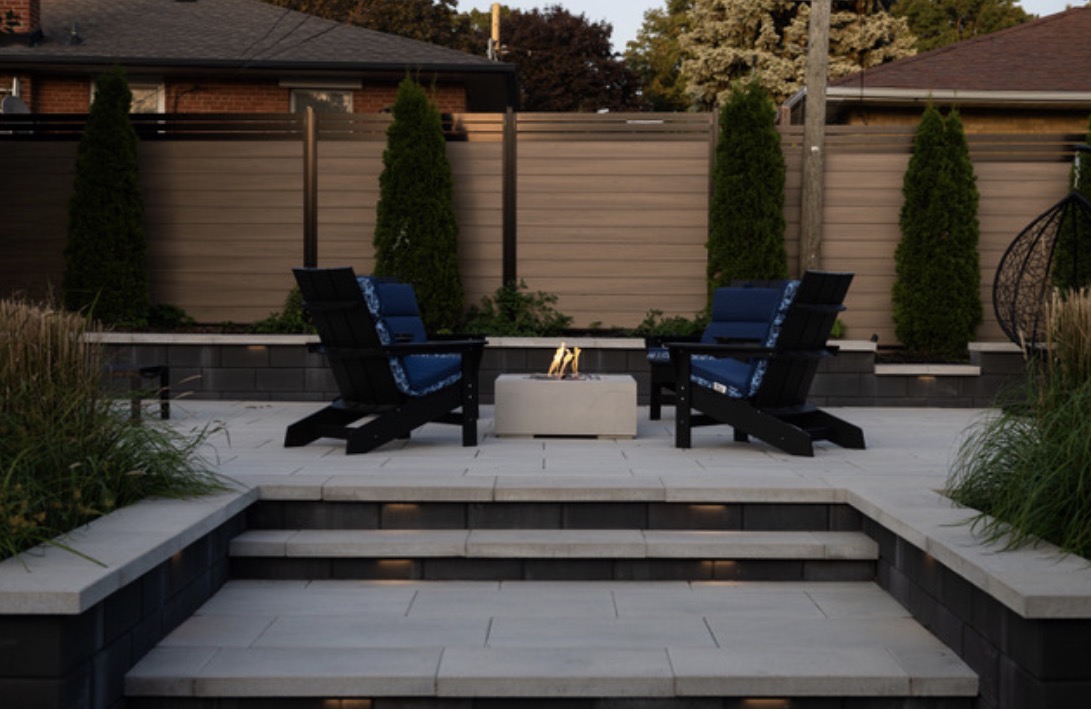
If you’re planning a new driveway, patio, or backyard upgrade in Toronto, you’ve probably run into the classic question:
Concrete or interlock—what’s actually going to last longer?
It’s a fair question.
Landscaping in Toronto isn’t exactly gentle—between freeze-thaw cycles, snow, salt, and heavy use, your surfaces take a beating year after year.
The short answer? It depends on what you mean by “lasting.”
Let’s break it down in plain English so you can make the right call for your home.
First, What Are We Comparing?
Concrete
Poured as a single solid slab. It’s smooth, clean-looking, and generally more affordable upfront.
Interlock (Interlocking Pavers)
Individual stones laid over a compacted base. Think of it like a puzzle—flexible, customizable, and designed to move slightly with the ground.
How Toronto Weather Changes Everything
In a place like Toronto, durability isn’t just about strength—it’s about how materials handle movement.
Every winter, the ground freezes and expands. In spring, it thaws and shifts again. This constant cycle is where the real difference shows up.
Concrete: Strong, But Not Flexible
Concrete is tough—but it’s also rigid.
Over time, Toronto’s freeze-thaw cycles can cause:
- Cracking
- Heaving (sections lifting unevenly)
- Surface wear from salt and moisture
Once concrete cracks, repairs are tricky. You usually end up:
- Patching (which rarely matches)
- Or replacing entire sections
Lifespan (Toronto Reality):
- ~20–30 years (if installed well and maintained)
- But visible cracking can start much sooner
Interlock: Built to Move
Interlock is designed differently. Instead of resisting movement, it absorbs it.
Because it’s made of individual pavers:
- It can shift slightly without cracking
- Water drains more easily
- Repairs are simple (just lift and reset stones)
Lifespan (Toronto Reality):
- 30+ years is very common
- Often looks better longer because damage is easier to fix
So… What Actually Lasts Longer?
If we’re talking strictly about appearance and long-term performance in Toronto conditions:
Interlock usually comes out ahead.
Not because the material itself is “stronger,” but because:
- It handles movement better
- It’s repairable
- It ages more gracefully
Concrete might stay structurally intact for decades—but visually, it tends to show wear faster.
The Hidden Factor: Installation Quality
Here’s the part most people overlook:
Installation matters more than material.
A poorly installed interlock job can:
- Sink
- Shift unevenly
- Grow weeds quickly
A poorly installed concrete slab can:
- Crack prematurely
- Drain poorly
- Scale and deteriorate
A proper base, grading, and drainage system are everything—especially in Toronto.
Maintenance: What to Expect
Concrete
- Occasional sealing
- Crack repairs over time
- Limited fix options
Interlock
- Re-sanding joints every few years
- Occasional levelling in high-traffic areas
- Easy spot repairs
Interlock requires a bit more routine upkeep—but gives you way more flexibility long term.
Cost vs Value (Toronto Landscaping Reality)
- Concrete: Lower upfront cost
- Interlock: Higher upfront cost, but often better long-term value
Why?
Because with interlock, you’re less likely to face large-scale replacements. You fix small sections instead of redoing everything.
When Concrete Might Still Make Sense
Concrete isn’t a bad choice, it just depends on your priorities.
It can work well if:
- You want a clean, modern look
- You’re working with a tighter budget
- The area has minimal ground movement risk
When Interlock Is the better Investment
Interlock is usually the better fit if:
- You want long-term durability in Toronto weather
- You care about curb appeal
- You want something repairable, not replaceable
- You’re investing in your forever home
The Bottom Line
In Toronto landscaping, “what lasts longer” isn’t just about the material, it’s about how it handles time, weather, and wear.
Concrete is strong, but rigid and harder to fix. Interlock is flexible, making it more durable in real-world conditions.
If you’re thinking long-term (and most homeowners are), interlock tends to deliver better results where it counts: how your space looks and performs years down the line.
Quick Tip Before You Decide
Before choosing concrete or interlock, ask your contractor:
- How will the base be built?
- What’s the drainage plan?
- What maintenance should I expect?
Because in Toronto landscaping, the difference between a surface that lasts 10 years and one that lasts 30 often comes down to what’s underneath it—not just what you see on top.Thinking about upgrading your driveway or backyard? Del Grande Homes™ believes that making the right choice now can save you a lot of time, money, and frustration later.