Inquire Now

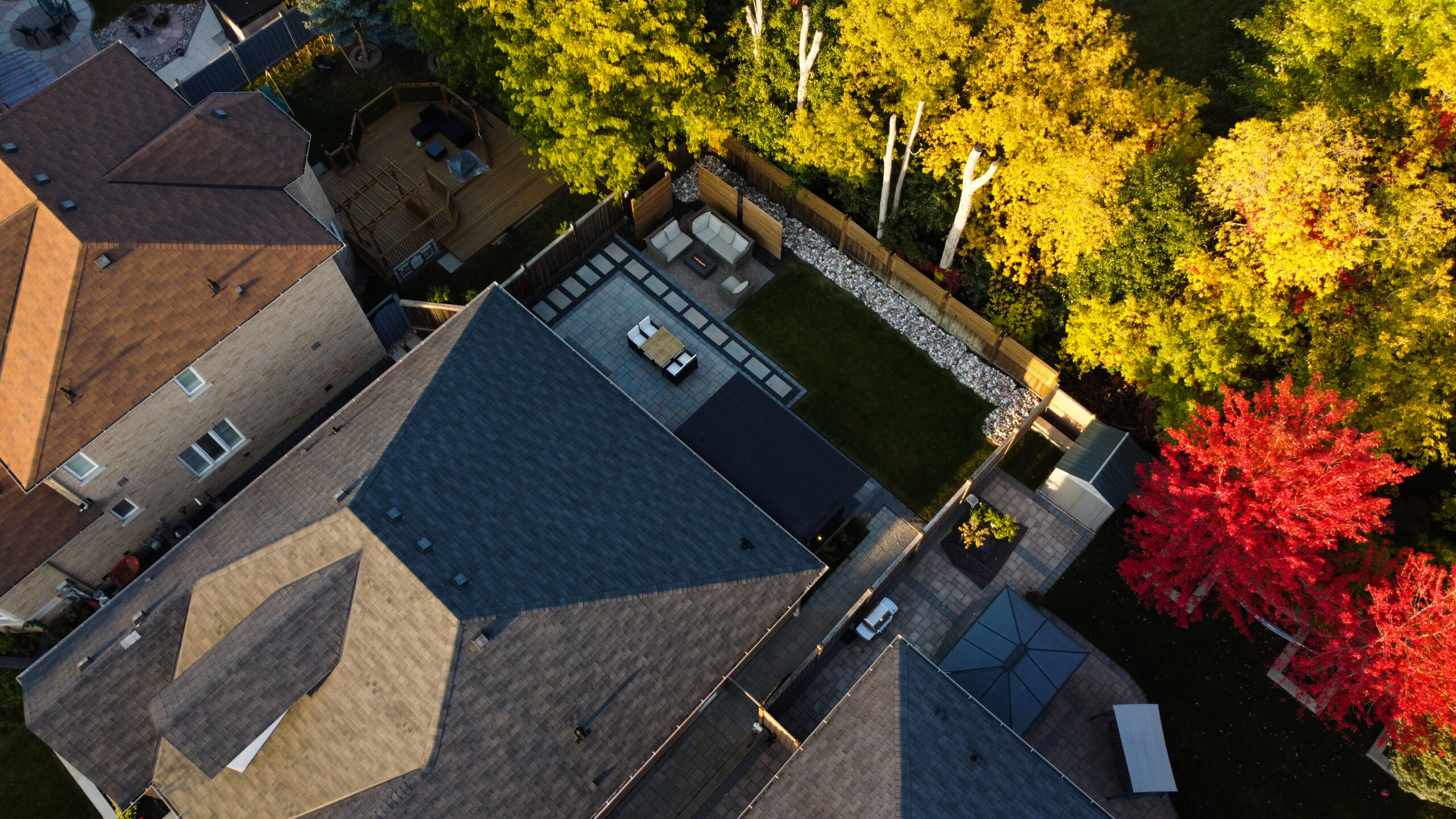
If you’re a Toronto homeowner, fall can feel like the time to put your yard to bed and forget about it until spring.
But if you’re thinking about giving your property a landscaping makeover next year, fall is actually one of the best times to start planning your spring landscaping project.
Why?
Because while everyone else is busy raking leaves and getting ready for winter, you can be getting a head start on your outdoor space.
And when spring arrives, you’ll be ready to go.
Why Plan Your Landscaping in the Fall?
Let’s be honest: spring gets busy.
As soon as the snow disappears and temperatures start rising, homeowners across Toronto start thinking about patios, gardens, fences, walkways, planting beds, outdoor kitchens and backyard makeovers.
That means landscape contractors get busy, material schedules fill up, and projects that seemed far away in January can suddenly be weeks or months out.
Planning in the fall gives you something incredibly valuable:
Time.
Instead of trying to figure everything out when spring arrives, you can spend the fall thinking about what you actually want your property to look like.
1. You Have Time to Think About the Big Picture
One of the biggest mistakes homeowners make with landscaping is starting with individual projects instead of thinking about the entire property.
Maybe you want a new patio.
But where should it go?
What happens to the garden beds around it?
Where will people walk?
Where should trees and shrubs be planted?
Do you want privacy?
Where will the kids play?
Would an outdoor dining area make sense?
How will the landscaping look from inside your home?
These are much easier questions to answer when you’re not standing outside in April wondering why the ground is finally thawing and you still don’t have a plan.
Fall gives you time to step back and look at the property as a whole.
2. You Can Start Planning Before the Spring Rush
Toronto’s spring landscaping season can get busy quickly.
Landscape construction and planting schedules are affected by weather, soil conditions, material availability and contractor availability. The City of Toronto itself recognizes spring and fall as planting periods, with its specifications identifying May–June for spring planting and September–November for fall planting, subject to suitable conditions.
The takeaway?
Don’t wait until May to start thinking about your landscaping.
If you know you want a major project next spring, fall is a great time to start the conversation.
You can discuss your ideas, review your property, develop a design, select materials and work toward a realistic construction schedule.
Then, when spring arrives, you’re not starting from scratch.
3. You Can See What Your Yard Really Needs
Fall has another advantage that homeowners sometimes overlook:
Your landscape is changing right in front of you.
You can see which areas receive sunlight and which stay shaded.
You can see where leaves collect.
You can notice drainage issues after rain.
You can see which parts of the lawn struggle during the growing season.
You can also take a good look at your existing trees, shrubs and garden beds before winter arrives.
All of that information can help create a better landscape plan.
Instead of designing a garden based solely on how the property looks on a sunny afternoon in June, you’re considering how the yard actually functions throughout the year.
4. Fall Is a Great Time to Think About Plants
A good landscape isn’t just about choosing plants that look nice.
The right plants need to suit the location.
Think about:
- How much sunlight the area gets
- Soil conditions
- Drainage
- Mature plant size
- Maintenance requirements
- Seasonal interest
- Privacy needs
- Winter conditions
- Pollinator value
Toronto also encourages homeowners to consider native plants, trees and shrubs. Native species can provide important food and habitat for local pollinators, and the City recommends prioritizing plants native to Toronto where appropriate.
Planning your plant selections in the fall gives you time to think beyond, “What looks pretty at the garden centre?”
Instead, you can ask:
“What will this garden look like five years from now?”
That’s a much better landscaping question.
5. You Can Plan for Spring Colour
One of the best parts about landscaping is watching the yard change throughout the seasons.
A well-designed Toronto landscape doesn’t need to look exactly the same from April to October.
You can plan for different plants to take centre stage at different times of the year.
Spring bulbs and flowering trees can provide early colour. Perennials can take over as the season progresses. Summer flowers can bring colour through July and August, while ornamental grasses, shrubs and fall foliage can keep the landscape interesting later in the season.
Planning ahead gives you the opportunity to create a landscape that changes with the seasons, rather than one that has a two-week window where everything happens to be blooming at once.
6. Don’t Forget the Hardscaping
Landscaping isn’t just about plants.
Some of the most noticeable changes to a Toronto property come from hardscaping — the built elements of your outdoor space.
That could include:
- Patios
- Walkways
- Garden walls
- Steps
- Driveways
- Outdoor kitchens
- Seating areas
- Retaining walls
- Fencing
- Landscape lighting
- Drainage solutions
These features need to work together with the planting design.
For example, if you’re building a new patio, you don’t want to finish the patio and then realize you’ve left no practical space for the garden you’ve always wanted.
Planning everything together creates a much more cohesive result.
7. Fall Is a Good Time to Think About Drainage
This might not be the most exciting part of landscaping, but it’s one of the most important.
Toronto gets plenty of rain, and water management should be part of any serious landscape plan.
If you notice water pooling in your yard after a storm, soggy areas near the foundation, or erosion around garden beds, don’t ignore it.
Those observations can be useful when planning your spring landscaping.
A landscape should look good, but it should also function properly.
That means considering grading, drainage, soil conditions and where water naturally wants to go.
8. You Can Plan a More Sustainable Landscape
Fall planning also gives you time to think about how your landscape can work better with the environment.
That could mean incorporating more native plants, reducing unnecessary lawn, adding pollinator-friendly planting areas or choosing plants that are better suited to local conditions.
The City of Toronto promotes sustainable landscaping approaches, including native plants, meadow-style plantings and water-efficient landscaping.
You don’t have to turn your entire backyard into a wildflower meadow.
Even a few thoughtful changes can make a difference.
For example, you might replace a small section of lawn with a perennial garden or add native shrubs around the edge of your property.
The key is to design intentionally.
9. You Can Take Advantage of Fall Planting Too
Here’s an important distinction:
Fall isn’t just a planning season. In many cases, it’s also a planting season.
Toronto’s planting specifications include September through November as a fall planting period, provided weather and site conditions are appropriate.
So if you’re considering trees, shrubs or other plant material, it may make sense to discuss whether some of the work can be completed in the fall rather than waiting until spring.
However, not every plant or project should automatically be scheduled for fall.
The right timing depends on the species, planting material, soil conditions and weather.
That’s another reason professional planning can be helpful.
10. You Can Start Spring With a Plan Instead of a To-Do List
There’s a big difference between these two approaches:
“We should probably do something with the backyard this spring.”
And:
“We have a landscape design, we’ve selected our materials, we’ve planned the planting, and we’re ready for construction.”
The second approach is much less stressful.
You have time to make decisions without rushing.
You can think about your budget.
You can compare materials.
You can make changes to the design.
And you can have a much clearer idea of what the finished landscape is going to look like.
That’s exactly why fall is such a valuable time for spring landscaping planning in Toronto.
What Should Toronto Homeowners Plan in the Fall?
Not sure where to start?
Here are a few things worth thinking about before winter arrives.
Landscaping Design
Think about how you want to use your outdoor space.
Do you want somewhere to entertain? More privacy? A better front entrance? A family-friendly backyard?
Start with how you want the space to feel and function.
Planting
Make a list of the trees, shrubs, perennials and other plants you’d like to incorporate.
Then consider their mature size, light requirements and maintenance needs.
Patios and Walkways
Think about where people naturally move through your property.
A well-placed walkway can make a yard feel much more intentional.
Privacy
If your backyard feels exposed, fall is a good time to plan privacy screening using fencing, trees, shrubs or a combination of the three.
Outdoor Living
Would you actually use an outdoor kitchen? A fire feature? A dining area? A covered seating area?
Plan the space around how you live rather than adding features simply because they’re popular.
Drainage and Grading
Pay attention to where water goes during fall rain.
Those observations can help identify problems before they become bigger issues.
A Little Planning Now Can Make a Big Difference Later
Your outdoor space is an extension of your home.
And just like an interior renovation, a successful landscape renovation usually starts with a good plan.
So, while the leaves are changing and the temperatures are dropping, don’t automatically think of your yard as a project that’s finished for the year.
This can be the perfect time to start planning what’s next.
At Del Grande Homes™, we help Toronto homeowners turn outdoor spaces into places that are functional, beautiful and designed around the way they actually live.
Whether you’re thinking about a complete backyard transformation, a new patio, improved planting, outdoor living space or a fresh front-yard design, getting started in the fall can put you ahead of the spring rush.
Because when the snow finally disappears, you don’t want to be asking:
“What should we do with the yard?”
You want to be saying:
“Let’s get started.”
Planning a Spring Landscaping Project in Toronto?
Fall is a great time to start the conversation.
Reach out to Del Grande Homes™ to discuss your landscaping ideas and start planning your outdoor space before the spring season gets busy.
Frequently Asked Questions About Spring Landscaping in Toronto
Is fall a good time to plan landscaping in Toronto? Absolutely. Fall gives homeowners time to develop a design, select plants and materials, address drainage or grading concerns, and plan construction before the busy spring season.
Is fall a good time to plant in Toronto? In many cases, yes. The City of Toronto identifies September through November as a fall planting period, subject to suitable weather and site conditions.
When should I start planning spring landscaping? For a larger landscaping project, starting in the fall can give you several months to develop the design, budget, material selections and construction schedule before spring.
What landscaping projects should I plan in the fall? You can plan virtually any outdoor renovation in the fall, including patios, walkways, planting beds, fencing, outdoor living areas, drainage improvements, grading, landscape lighting and complete backyard transformations.
Can Del Grande Homes™ help with both landscaping design and construction? If you’re considering a landscaping project, speak with the Del Grande Homes™ team about your specific needs and the services available for your Toronto property.