Inquire Now

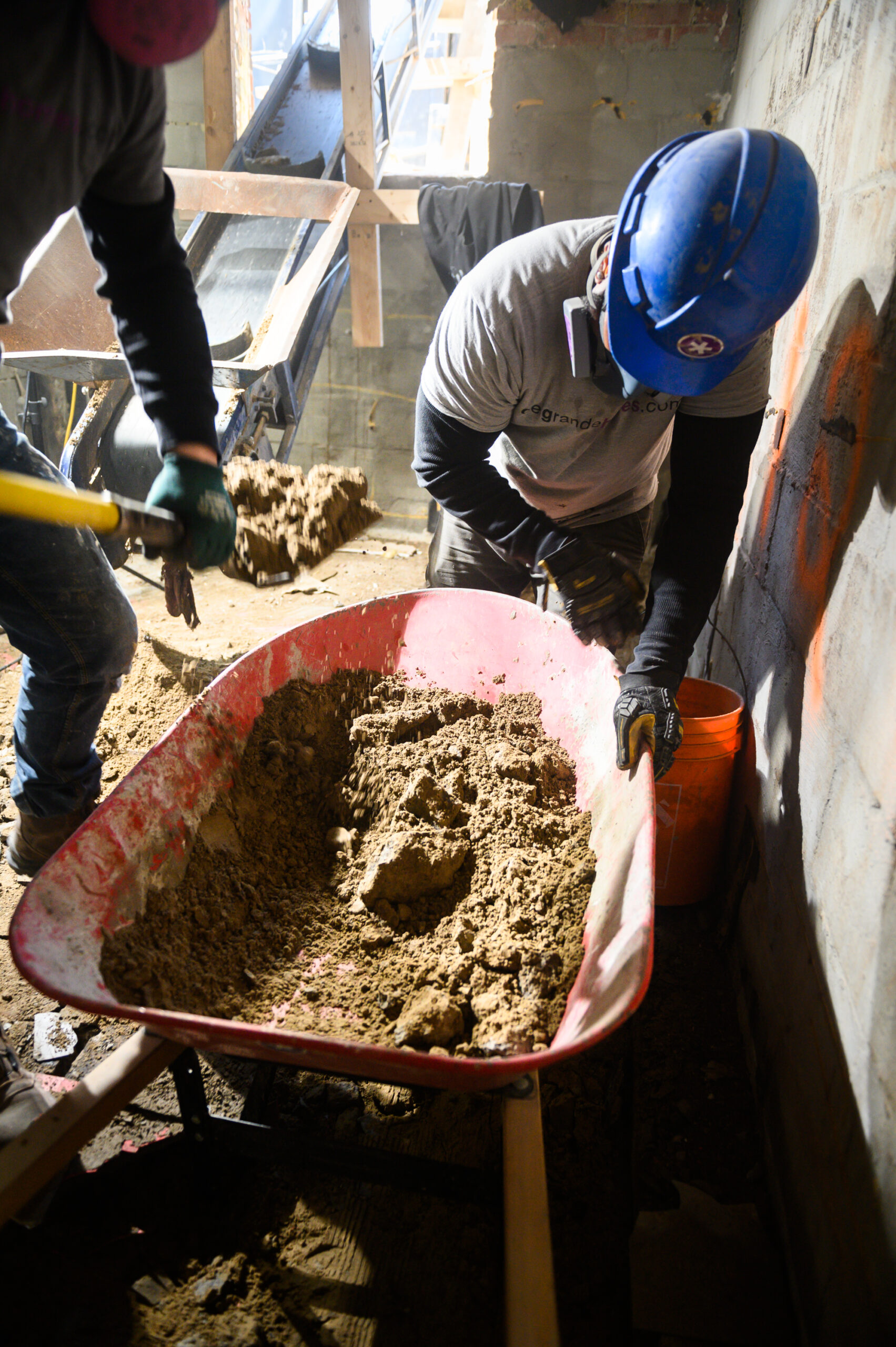
If you own a home in Toronto, you already know that space comes at a premium.
That’s one reason basement underpinning in Toronto has become such a popular option for homeowners looking to get more out of their existing property. Lowering a basement floor and increasing ceiling height can turn an underused basement into a comfortable, functional part of the home.
But underpinning isn’t just about getting a few extra feet of headroom.
When it’s properly planned and professionally completed by Del Grande Homes™, underpinning can be an investment in your home’s functionality, structural integrity, and long-term marketability.
And when your home is one of your biggest investments, protecting its value matters.
What Is Basement Underpinning?
Before getting into property value, it helps to understand what underpinning actually involves.
Underpinning is a structural process used to strengthen and/or extend the foundation of an existing home. In many Toronto basement renovation projects, the goal is to lower the basement floor to create additional ceiling height and make the space more usable.
This can be particularly appealing in older Toronto homes, where basements were often built with lower ceiling heights and weren’t necessarily designed to be comfortable living spaces.
Underpinning is a major construction project, though. It involves much more than simply removing soil and lowering a floor.
Because you’re working around the foundation that supports your home, proper planning, engineering, construction methods, waterproofing, drainage, permits, and inspections all matter.
In other words, quality matters.
Why Underpinning Can Be a Smart Investment in Toronto
Toronto homeowners are always looking for ways to make their properties more functional.
You might renovate a kitchen because you want a better kitchen. You might add a bathroom because your family needs one. And you might underpin your basement because you want to transform an uncomfortable lower level into genuinely useful living space.
That added functionality can be valuable when you eventually decide to sell.
1. It Can Create More Usable Living Space
One of the biggest benefits of basement underpinning is the ability to create a basement that actually feels like part of your home.
A low basement ceiling can make a space feel cramped, even if the basement itself is reasonably large. Increasing the ceiling height can make a dramatic difference to how the space feels and how you can use it.
Depending on your home’s layout and the project’s design, an underpinned basement could become:
- A comfortable family room
- A home office
- A gym or fitness area
- A guest bedroom
- A recreation room
- A secondary living space
- A legal basement apartment, where permitted and properly designed
- Additional storage and utility space
For homeowners in Toronto, where expanding the footprint of a property isn’t always practical, making better use of existing square footage can be a major advantage.
2. Buyers Value Functional Space
Put yourself in a buyer’s shoes.
Would you rather walk into a dark basement with a low ceiling that feels like storage space — or a bright, finished basement with comfortable ceiling height that could actually be used every day?
Most buyers are going to prefer the second option.
That doesn’t mean underpinning automatically adds a specific dollar amount to your home’s resale value. Real estate values depend on many factors, including location, lot size, overall condition, layout, market conditions, and comparable sales.
But a well-designed and professionally completed basement can make your home more appealing to prospective buyers.
And in a competitive market like Toronto, appeal matters.
3. Proper Underpinning Helps Protect the Foundation
This is arguably the most important part of the conversation.
Underpinning isn’t just another cosmetic renovation. You’re working with your home’s foundation and structural support system.
That’s why proper underpinning should always involve careful planning and appropriate professional oversight.
A properly designed project takes the existing structure and site conditions into consideration before construction begins. The work should be carried out using appropriate methods and in accordance with applicable building requirements.
The goal isn’t simply:
“Let’s make the basement deeper.”
The goal is:
“Let’s improve the basement while maintaining the integrity and performance of the home.”
That distinction is extremely important.
4. Quality Work Can Help Prevent Expensive Problems
When it comes to renovations, cutting corners can sometimes come back to haunt you.
With underpinning, the consequences of poor workmanship or inadequate planning can be particularly serious.
Foundation work can involve excavation, structural support, drainage, waterproofing, concrete work, and other interconnected systems. Problems in one area can potentially affect another.
That’s why choosing an experienced contractor and making sure the project is properly designed and documented is so important.
Saving money upfront isn’t necessarily saving money if you end up dealing with major repairs later.
When you’re investing in your home’s foundation, quality is value.
5. Proper Documentation Can Make a Difference When You Sell
Here’s a part of home renovations that isn’t always exciting — paperwork.
But when you’re making a significant structural change to your property, documentation matters.
Depending on the project, this may include permits, engineering documentation, inspection records, drawings, and other project information.
Having the appropriate documentation can make it easier to explain the work to future buyers and their professionals.
Imagine you’re selling your home and a buyer asks:
“Was the basement underpinned properly?”
Being able to provide documentation about the project is much more reassuring than saying, “We’re not really sure — it was done years ago.”
A properly documented renovation can give prospective buyers greater confidence in the work that’s been completed.
6. Underpinning Can Increase the Potential of an Older Toronto Home
Toronto has plenty of older homes with character, established neighbourhoods, and desirable locations.
But older homes can also come with older basements.
Low ceilings, unfinished concrete floors, limited natural light, outdated mechanical systems, and awkward layouts can make these spaces difficult to use.
That doesn’t necessarily mean the basement is a lost cause.
Underpinning can be one part of a larger basement transformation.
Once you have the necessary ceiling height and structural work completed, you may have more flexibility to design a basement around the way you actually live.
For homeowners who love their neighbourhood but need more space, this can be an attractive alternative to moving.
7. You May Be Able to Add Value Without Moving
This is a big consideration for many Toronto homeowners.
Moving to a larger home can be expensive. There are real estate commissions, land transfer taxes, legal fees, moving costs, and — depending on the market — potentially a much larger mortgage.
Sometimes the better option is to improve the home you already own.
If you love your location but have outgrown your house, a basement renovation with underpinning may allow you to gain valuable living space without giving up your neighbourhood.
Of course, every home and project is different. Underpinning isn’t the right solution for every property.
But it’s worth exploring if your basement is currently limiting how you use your home.
Does Underpinning Increase Home Value?
This is probably the question every homeowner wants answered.
The honest answer is: it can contribute to a home’s value, but there is no guaranteed dollar-for-dollar return on an underpinning project.
Real estate value isn’t calculated simply by adding up renovation costs.
However, a properly executed underpinning project can improve several factors that buyers care about:
- More usable living space
- Better basement functionality
- Increased ceiling height
- Improved overall presentation
- Greater flexibility in how the basement can be used
- Professional documentation of major structural work
- Potential for additional bedrooms or living areas, where permitted
- Potential for an approved secondary suite, where zoning and building requirements allow
The key is to think beyond the cost of the project.
You’re investing in how your home functions today and how attractive it may be tomorrow.
Underpinning vs. Simply Finishing a Basement
It’s worth pointing out that underpinning isn’t always necessary.
If your basement already has comfortable ceiling height, you may be able to finish the space without lowering the floor.
But if ceiling height is the main limitation, simply finishing the existing basement may not solve the underlying problem.
You could spend a significant amount of money on flooring, drywall, lighting, and other finishes — only to end up with a beautifully renovated basement that still feels too low.
Underpinning addresses the height issue first.
Once the structural work is complete, you can then focus on designing the finished space.
That’s why it’s important to look at the basement as a whole rather than treating underpinning and finishing as completely separate decisions.
Why Choosing the Right Underpinning Contractor Matters
This is where homeowners should do their homework.
Underpinning is not a project where you want to choose a contractor based solely on the lowest price.
Ask questions.
How much experience does the contractor have with underpinning?
Who handles the engineering?
What permits are required?
How will the excavation and structural work be carried out?
What is the plan for waterproofing and drainage?
What documentation will you receive when the project is complete?
And perhaps most importantly:
Who will be responsible for coordinating everything?
A successful underpinning project requires different pieces to work together. The contractor you choose should understand the process and communicate clearly throughout the project.
Why Toronto Homeowners Should Think Long-Term
It’s easy to get caught up in the immediate benefits of a renovation.
You see the finished basement. You imagine the new living room, office, gym, or rental space. You picture your family using it.
But a good renovation should also make sense five, ten, or even twenty years down the road.
That’s particularly true with structural renovations.
Proper underpinning isn’t simply about changing the basement you have today. It’s about investing in the underlying structure and creating more potential for your property in the future.
And that’s where the connection to property value becomes important.
The Bottom Line
Proper underpinning can protect your property value by improving the foundation, increasing basement functionality, creating more usable space, and making your home more attractive to future buyers.
But the word “proper” is doing a lot of work in that sentence.
Underpinning needs to be carefully planned, properly engineered, professionally constructed, and appropriately documented.
When done right, it can turn an underused Toronto basement into one of the most valuable spaces in your home — while helping you make the most of the property you already own.
At DelGrande Homes, we believe a basement renovation should be about more than making a space look good. It should be about building something that works for your home, your family, and your long-term investment.
If you’re considering underpinning in Toronto, we’d be happy to help you explore what’s possible for your home.
Your basement might be below ground — but the value you create there doesn’t have to be.
Frequently Asked Questions About Underpinning in Toronto
How long does basement underpinning take?
The timeline depends on the size and condition of the home, the scope of the underpinning, site conditions, engineering requirements, permits, and the overall renovation plan. A professional contractor should be able to provide a project-specific timeline after assessing the property.
Is underpinning worth it in Toronto?
For homeowners who want more basement height and usable living space, underpinning can be a worthwhile investment. The value depends on the property, neighbourhood, intended use of the space, and overall project cost.
Does underpinning make a house more valuable?
It can. A properly completed underpinning project may improve the functionality and appeal of a home, which can contribute to its marketability. However, the actual impact on resale value varies from property to property.
Do I need permits for underpinning in Toronto?
Structural renovations such as underpinning generally require permits and professional involvement. Requirements can vary depending on the project, so homeowners should confirm the applicable requirements for their specific property before construction begins.
Can I create a basement apartment after underpinning?
Potentially, yes. Underpinning can create more suitable basement conditions, but a basement apartment must meet applicable zoning, building, fire, egress, and other requirements. Underpinning alone does not automatically make a basement legal for use as a secondary suite.
Is underpinning safe?
When properly designed and carried out by qualified professionals using appropriate construction methods, underpinning is an established approach to modifying and strengthening existing foundations. Because it involves structural work, choosing an experienced contractor and following proper engineering and permitting processes is essential.